
Digital Retinal Cameras: Rapid, Automated Exam for Proactive Eye Care
Diabetic retinopathy (DR) is a leading cause of preventable vision loss among U.S. adults with diabetes. It often develops without noticeable symptoms, which makes early detection especially important. Yet many patients with diabetes still do not receive recommended eye screening.
Digital retinal imaging allows primary care clinics to perform quick, non-mydriatic screening during routine visits. These technologies help identify early signs of DR and support timely referral for follow-up eye care.
US Prevalence of Diabetic Retinopathy in People With Diabetes by Age, Race, and Ethnicity
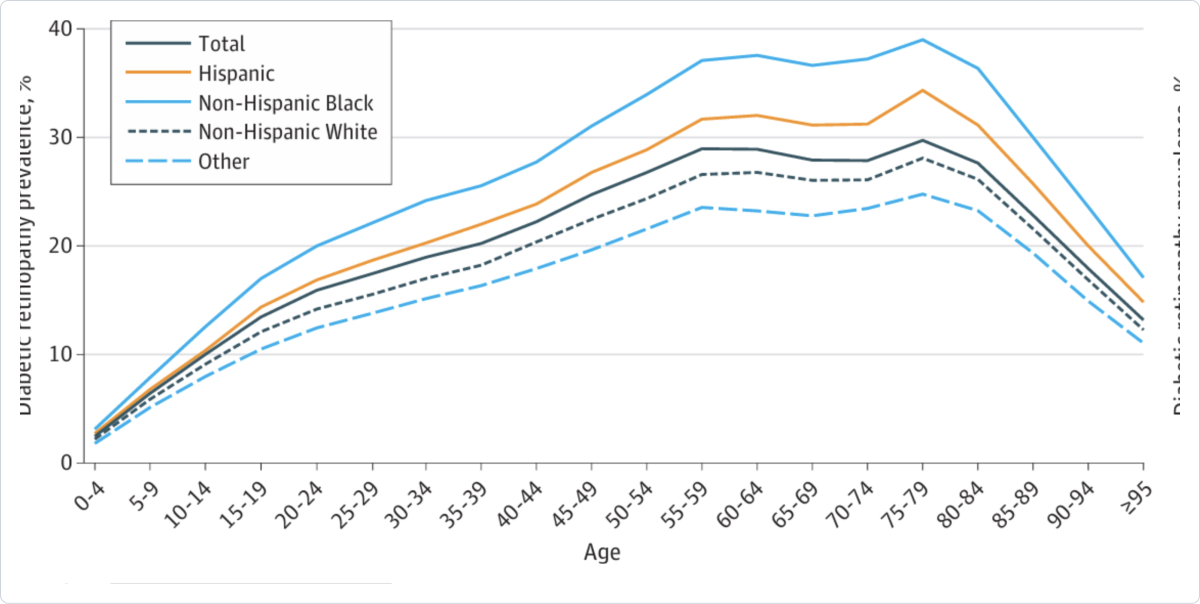
Source: doi:10.1001/jamaophthalmol.2023.2289
In its 2024 Ophthalmic Technology Assessment, the American Academy of Ophthalmology found that digital retinal photography and automated retinal image analysis can support accurate diabetic retinopathy screening in primary care settings.
Key Benefits and Advantages of Digital Retinal Screening for Health Centers and Patients
- Easier access: Screening can be completed in primary care, reducing transportation and scheduling barriers.
- Earlier detection: More patients can be screened, supporting earlier referral and intervention, which reduces preventable vision loss.
- Better follow-through: In-clinic screening reduces dependence on outside referrals.
- Financial sustainability: In-clinic screening can capture reimbursable encounters, improve quality-measure performance, support incentive payments, and strengthen grant-related funding goals.
- Efficient workflow: Non-mydriatic imaging can be integrated into routine visits with minimal staff training.
- Scalable implementation: Screening can work across small clinics, larger networks, and outreach settings.
Financial Impact & Reimbursement
For FQHCs and Tribal Health Programs, delivering diabetic retinopathy screening (CPT 92229) in-clinic is financially advantageous beyond a per-screen fee. A program does not need large volume to become financially viable. Once screening is built into routine qualifying visits, a modest number of completed screenings can be enough for the program to pay for itself. Screenings are typically bundled into qualifying encounters, allowing clinics to capture revenue that would otherwise be lost to referrals, improve quality-measure performance (e.g., HEDIS EED, GPRA), and support value-based payment participation or grant eligibility. A five-year study of primary care-based, nonmydriatic automated retinal screening in low-income patients with diabetes found 23.3% lower costs than routine referral for annual dilated eye exams, with comparable effectiveness and better follow-up adherence. (Fuller SD et al., Journal of Diabetes Science & Technology, 2022)
For teams interested in the details, our reimbursement page explains how CPT 92229 is treated across FQHC and Tribal reimbursement models, outlines qualifying encounter requirements and workflow considerations, and includes financial impact calculators and downloadable reimbursement briefs:
Explore Reimbursement Guidance & ROI CalculatorContact us
We welcome inquiries about program implementation, funding and partnership opportunities, policy issues, and ways to advance proactive care. Fill out the form or contact us by email and we will get in touch with you as soon as possible.
