
Maternal Health
Proactive prenatal care wherever you are
Expanding access to equitable, evidence-based prenatal care
Prenatal care is central to maternal and infant health. It combines medical screening, early risk detection, counseling, and preventive services that reduce complications and improve outcomes. For FQHCs, providing reliable prenatal care is essential to advancing equity and strengthening community health.
Where the traditional model falls short
For nearly a century, prenatal care has followed a uniform schedule of 12–14 in-person visits for every patient. This approach is familiar but not always practical or equitable.
- Families face lost wages, childcare challenges, and transportation barriers.
- Rural patients often travel long distances for routine care.
- Missed appointments are common, and low-income and minority patients are most affected.
Evidence shows that more visits do not necessarily improve outcomes. The COVID-19 pandemic further highlighted the need for flexible models that maintain safety without creating unnecessary burdens.
Maternal health disparities
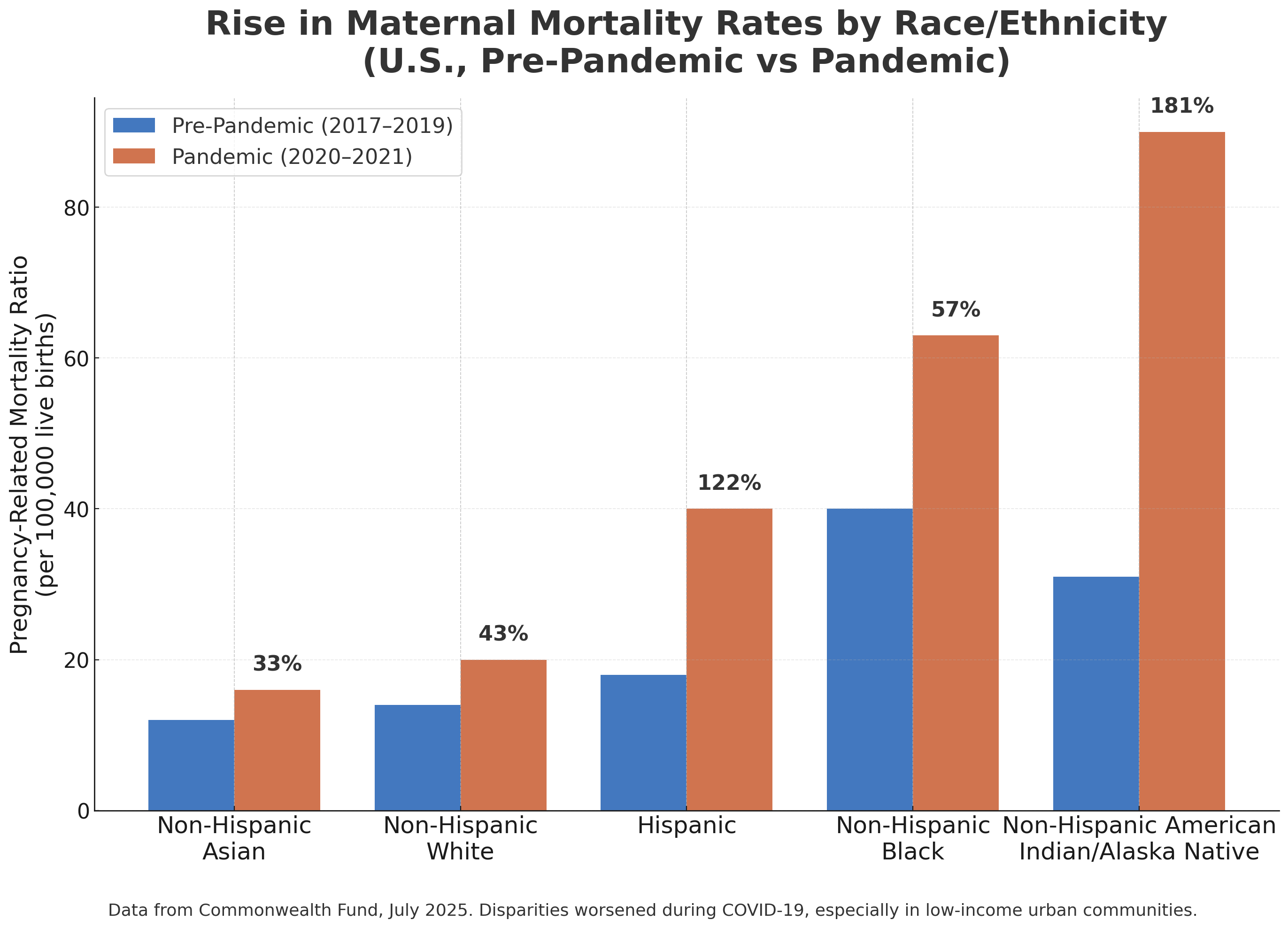
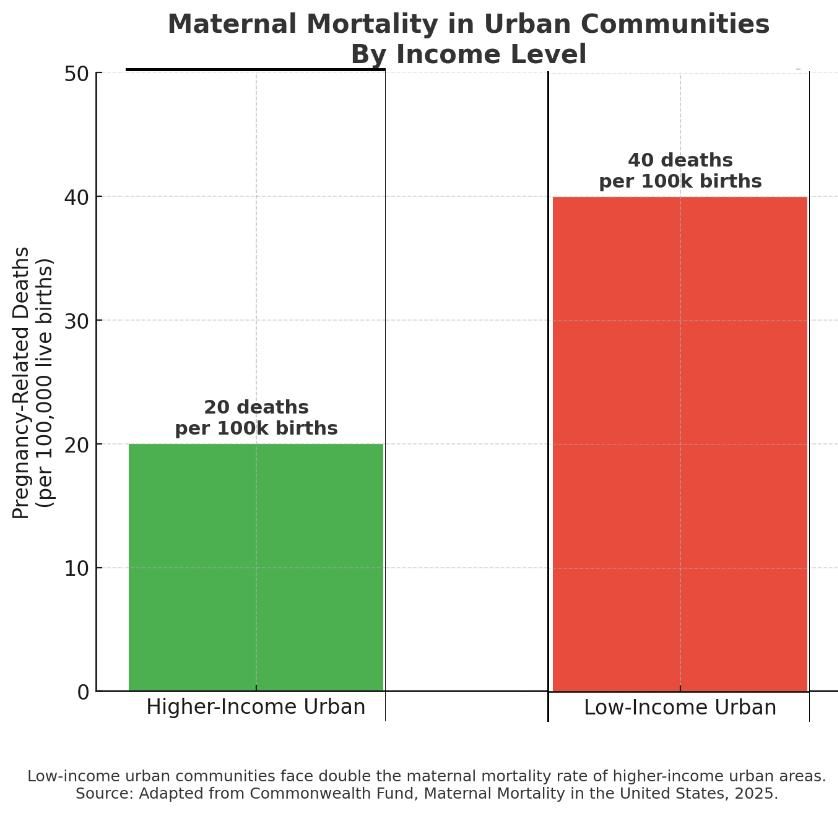
Maternal mortality rose during the pandemic, with disproportionate impacts by race, ethnicity, and income. In low-income urban areas, maternal mortality is nearly double that of higher-income communities. For FQHCs, these inequities underscore the urgency of care models that reduce barriers while safeguarding outcomes.
Hybrid prenatal care: A tailored solution
Hybrid care combines in-person visits for essential exams and diagnostics with virtual encounters for counseling, monitoring, and education.
Evidence-based results
- Outcomes are equivalent to traditional models.
- Patients report higher satisfaction and fewer missed visits.
- Providers gain capacity to focus on higher-risk patients.
How it works
- In-person visits: ultrasounds, physical exams, vaccinations.
- Virtual visits: symptom checks, patient education, vital sign reporting.
- Support tools: home monitoring devices, secure platforms, digital education.
Hybrid care provides the same or greater number of total encounters as traditional models, with a distribution that is more flexible and responsive to patient needs. It is not a reduction in care, but a more efficient use of time and resources that often results in more consistent engagement.
Traditional vs Hybrid prenatal care
| Traditional model | Hybrid model (examples: MiPATH, OB Nest) |
| Total number of visits | |
| 12–14 in-person visits | 12–14+ encounters, combining in-person and virtual visits, tailored to patient risk level |
| First trimester | |
| Monthly appointments, about 3 total | 1 risk assessment between 6 and 10 weeks plus 1 visit every 6 weeks, about 2 to 4 total, vital statistics reporting |
| Second trimester | |
| Monthly appointments, about 3 to 4 total | About 2 appointments, vital statistics reporting |
| Third trimester | |
| Biweekly until 36 weeks then weekly, about 6 to 7 total | 2 to 4 in early third trimester and weekly or biweekly in late third trimester, vital statistics reporting |
| Requirements | |
| Transportation to clinic | Internet, device, home blood pressure cuff, collect statistics, software access |
| Advantages | |
| Familiar model and standardized | Fewer trips, same outcomes, higher adherence, flexibility, and capacity for higher risk patients |
| Limitations | |
| Burdensome for many families, especially rural or low income, more interventions without clear benefit | Licensure and insurance limits, technology barriers, possible risk of misdiagnosis |
Contact us
We welcome inquiries about program implementation, funding and partnership opportunities, policy issues, and ways to advance proactive care. Fill out the form or contact us by email and we will get in touch with you as soon as possible.
